Why Hong Kong Works for Commercial Mining
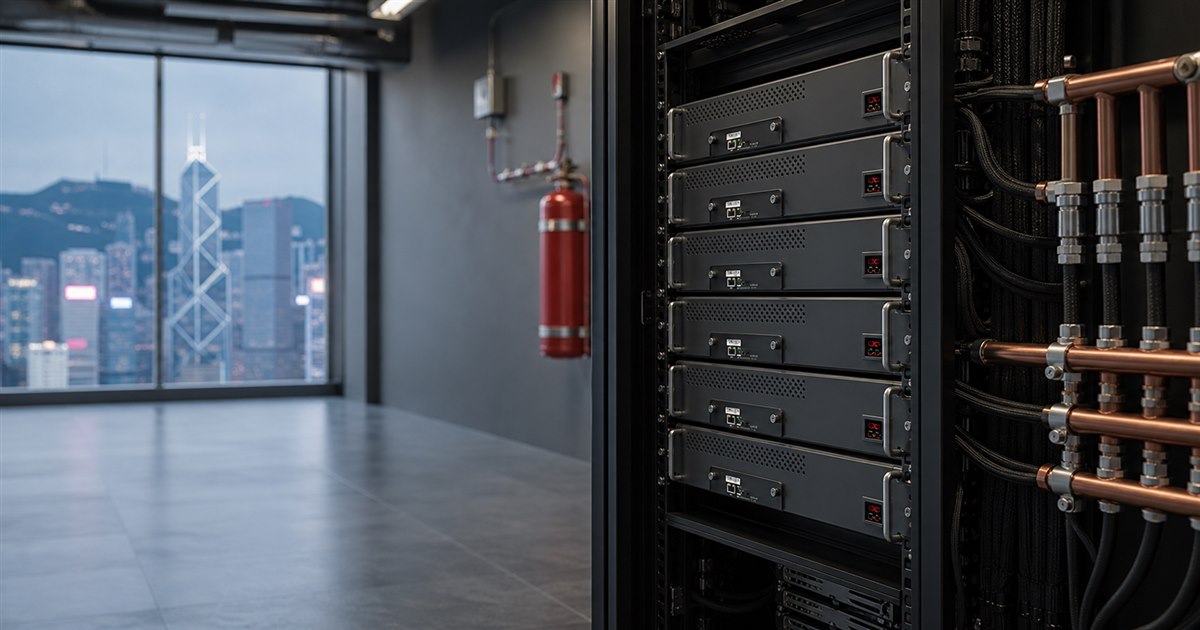
Hong Kong combines a stable legal system, no capital controls on cryptocurrency, and direct access to Bitmain, MicroBT, and other major ASIC manufacturers' regional distribution — MinerHaolan itself ships from a Hong Kong warehouse for exactly this reason. For anyone planning a commercial-scale operation rather than a handful of home units, here's what actually needs to happen.
Business Registration
Register the business with the Companies Registry.Obtain a Business Registration Certificate — required for any commercial electricity contract at industrial rates.Consider incorporating (rather than operating as a sole proprietor) for liability protection, particularly once you're running enough hardware that a single equipment failure or fire represents real financial exposure.Electricity Contracts
This is the single most consequential decision for a commercial farm's economics:
Industrial rates are available for large operations through CLP (Kowloon, New Territories) or HK Electric (Hong Kong Island), and are meaningfully cheaper per kWh than residential tariffs at scale.Dedicated transformer installation is often required once load crosses a certain threshold — factor this into upfront capital costs and timeline, as utility-side infrastructure work can take months to schedule.Get a written quote for the all-in effective rate, including any demand charges, before committing to hardware purchases — this number determines which miners are even worth buying.Building Requirements
Ventilation: industrial-scale ASIC deployments generate serious heat load; HVAC or hydro-cooling infrastructure needs to be engineered for the space, not improvised after the fact.Fire safety compliance: commercial electrical installations at this scale require sign-off matching standard industrial building code.Noise ordinance: relevant if the facility is anywhere near residential zoning — air-cooled farms in particular can trigger complaints.Structural load assessment: racks fully loaded with ASIC hardware are heavier than most buildings' floor plans assume by default — verify before installing.Tax Considerations
Mining income may be subject to Hong Kong's profits tax (16.5%) — treatment can depend on whether the activity is classified as a trade.Work with a tax advisor experienced in cryptocurrency-specific treatment, since this area moves faster than general tax guidance typically keeps up with.Keep detailed records of every transaction, hardware purchase, and electricity cost from day one — reconstructing this retroactively is far harder than logging it as you go.Practical Operational Notes
Location: industrial zones in the New Territories generally offer the best combination of electricity rates and available floor space.Cooling: Hong Kong's humidity makes hydro-cooled miners a genuinely strong fit for commercial-scale deployments here, not just a noise-reduction nicety.Insurance: commercial property insurance covering high-value electronic equipment is worth pricing in from the start, not added later.Security: both physical site security and cybersecurity (remote monitoring access, firmware update discipline) matter at commercial scale in ways they don't for a handful of home units.Frequently Asked Questions
Do I need a special license to run a Bitcoin mining farm in Hong Kong?
Mining itself is not a licensed activity in Hong Kong — the requirements are standard business registration, proper electrical/building compliance, and tax reporting, not a crypto-specific license.
How much cheaper is an industrial electricity rate than residential?
The exact discount varies by contract size and provider, but industrial tariffs from CLP or HK Electric are generally meaningfully below residential rates at the scale a commercial farm operates — get a direct quote before finalizing your hardware plan.
Is hydro cooling worth it for a Hong Kong-based farm specifically?
Yes, more than in drier climates — Hong Kong's humidity reduces air cooling's effectiveness, which makes hydro-cooled units like the Antminer S21 Hyd a stronger fit here than in a dry industrial region.
How is mining income taxed in Hong Kong?
It can fall under the standard 16.5% profits tax depending on how the activity is classified — this determination benefits from a tax advisor with specific cryptocurrency experience rather than general guidance.