Why ASIC Miners Are So Loud
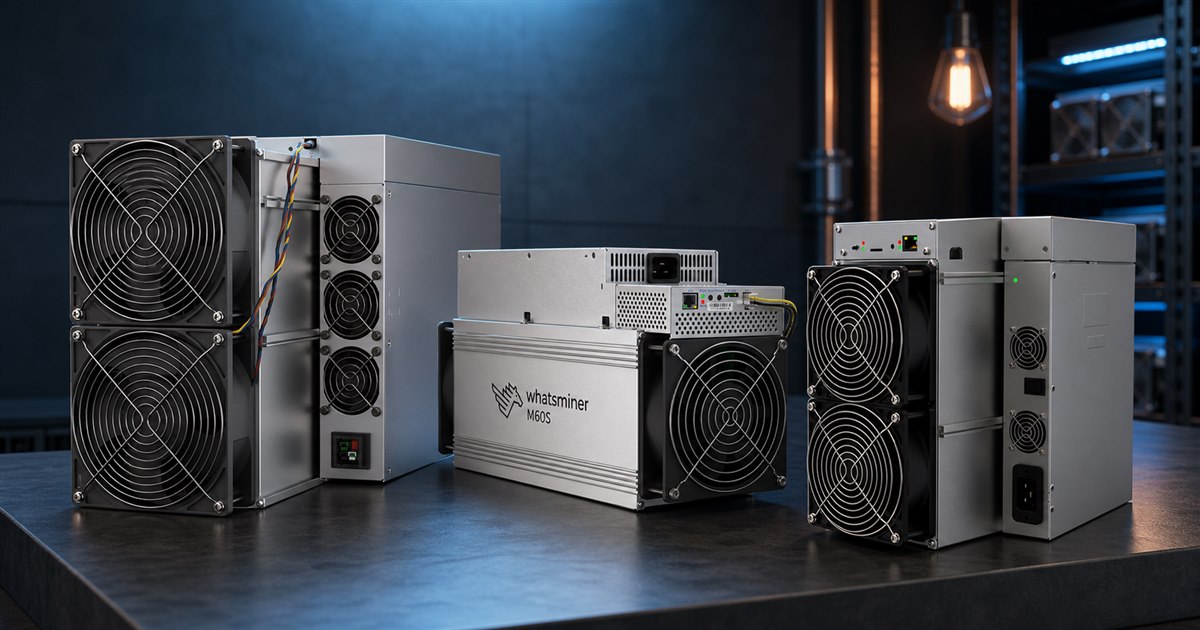
A stock air-cooled ASIC miner runs its fans at high RPM around the clock to keep hashboards from throttling — that's where the 70-80 dB noise level comes from, roughly equivalent to a vacuum cleaner running continuously, forever. For home miners, solving this is usually the difference between a hobby your household tolerates and one that gets shut down by domestic veto.
Noise comes from two sources: the cooling fans (the dominant source by far) and coil whine from electrical components under load. Every technique below targets one or both.
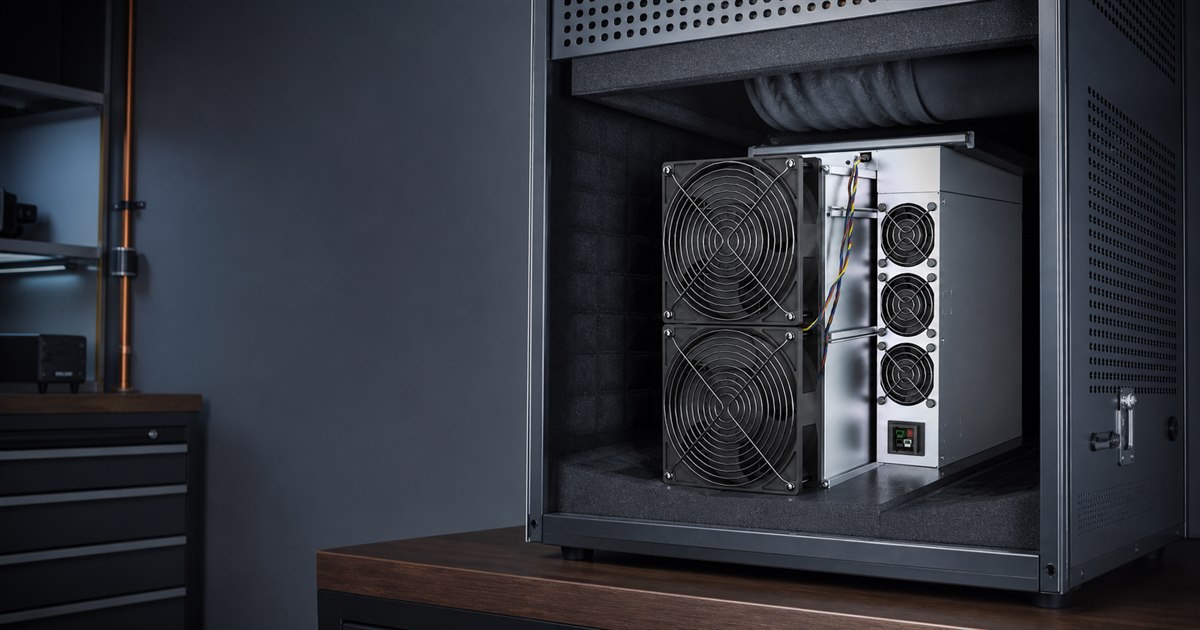
1. Soundproof Enclosure
A ventilated box built from 3/4" plywood or MDF lined with 2-3" acoustic foam, with dedicated intake/exhaust ducting and inline fans to move heat out.
2. Fan Replacement
Swapping stock fans for quieter industrial alternatives (Noctua's industrial line is the most common choice for ASIC applications) cuts noise meaningfully without touching anything else.
3. Underclocking
Most modern miner firmware lets you reduce voltage and frequency, which lowers heat output and lets fans spin slower.
4. Basement or Garage Placement
Physical distance and building materials between the miner and living space do more than almost anything else on this list.
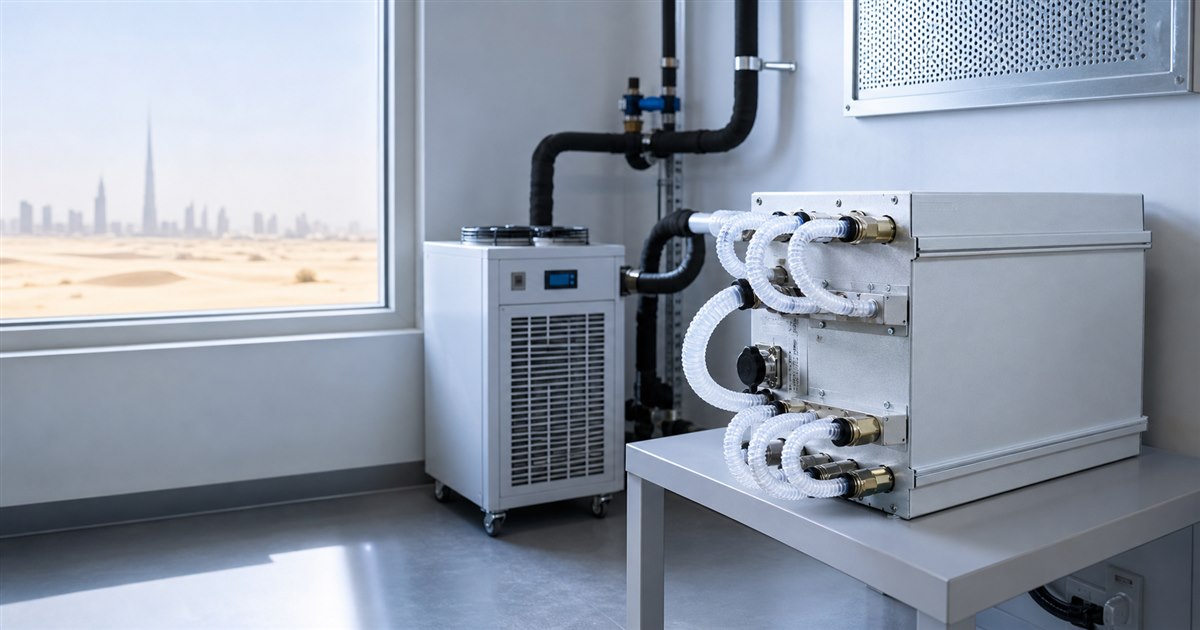
5. Hydro Cooling Conversion
The most dramatic fix. See our full hydro cooling setup guide for the complete walkthrough, or buy a factory hydro unit like the Antminer S21 Hyd outright.
6. Acoustic Ducting
Duct hot exhaust air outside through a wall or window using flexible ducting with an acoustic liner and inline silencer box, rather than letting the miner exhaust directly into the room.
7. Firmware Optimization
Custom firmware (Braiins OS+ and similar) exposes granular fan curves and temperature-based auto-tuning that stock firmware often doesn't.
Combining Techniques for Maximum Effect
These stack. A realistic combined setup:
Result: roughly 75 dB down to ~30 dB — genuinely library-quiet, even though no single technique gets there alone.
Noise Level Reference
| Level | Comparable to |
|---|---|
| 30 dB | Whisper, quiet library |
| 40 dB | Refrigerator hum |
| 50 dB | Normal conversation |
| 60 dB | Typical office |
| 70 dB | Vacuum cleaner |
| 80 dB | Stock air-cooled ASIC miner |
Frequently Asked Questions
What's the cheapest way to meaningfully reduce miner noise?
Firmware tuning (often free) combined with basement or garage placement (often $0) gets a real noise reduction without spending anything on hardware.
Does underclocking damage the miner?
No — running at lower voltage and frequency than rated is generally less thermally stressful on the chips than running at full spec, not more.
Is a soundproof enclosure enough on its own?
Usually yes for one or two units, provided the ventilation is engineered correctly — the failure mode isn't insufficient noise reduction, it's insufficient airflow causing overheating.
Which single technique gives the best noise-to-cost ratio?
Basement/garage placement, since it's often free and delivers the largest single noise reduction (30-40 dB) of anything on this list.
Is it worth just buying a hydro-cooled miner instead of retrofitting an air-cooled one?
For most buyers, yes — a factory hydro unit avoids the DIY risk of a conversion and typically also improves efficiency, not just noise, which an air-cooled retrofit can't offer.