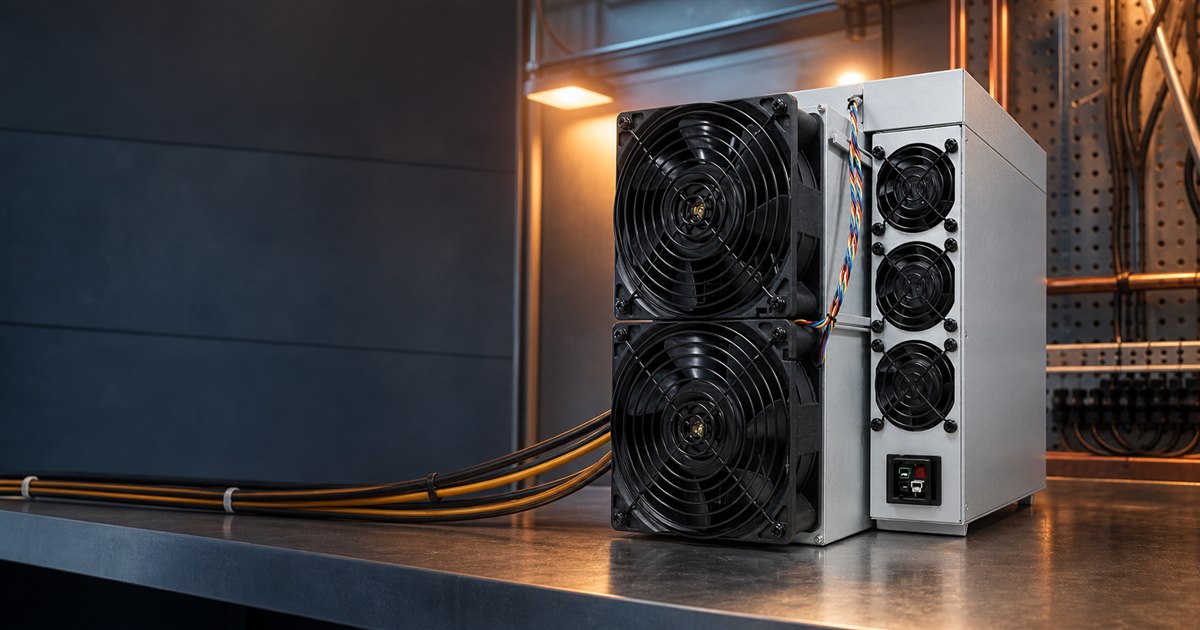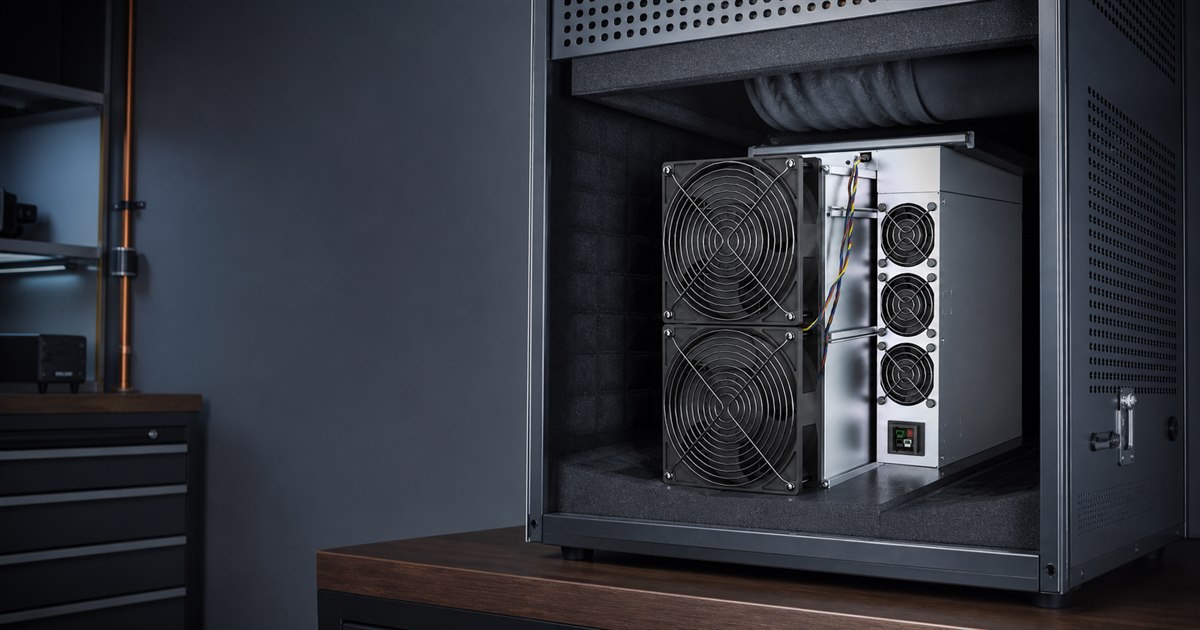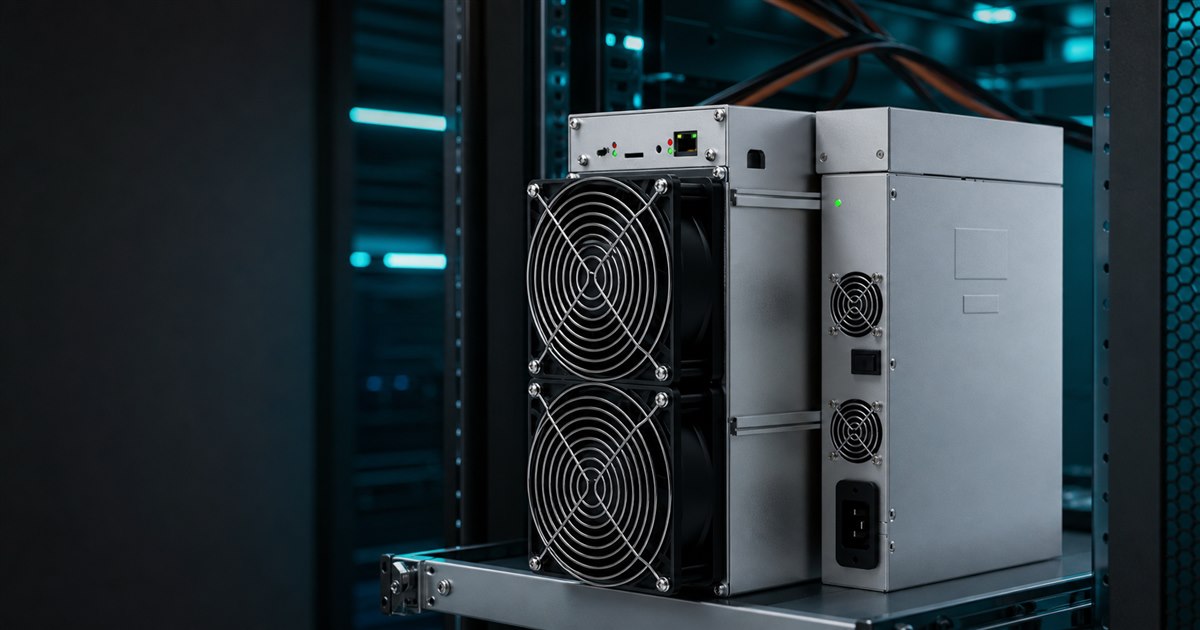
A Kaspa Miner for Sale Rarely Stays in Stock Long
Search "kaspa miner for sale" on any given week and you'll notice the same pattern: popular models show "sold out" badges, restock dates keep slipping, and the units that are available carry a premium over their launch price. That's not a marketing trick. Kaspa's BlockDAG throughput, its rapid block times, and a wave of new KHeavyHash ASICs hitting the market at once have created genuine, sustained demand that manufacturers keep underestimating. If you're trying to buy in, understanding why the shortage exists — and which specific machines are worth chasing — will save you from overpaying for the wrong unit.
This guide breaks down what Kaspa actually is, why KHeavyHash miners are so hard to keep on shelves, and how the current lineup compares on hashrate, power draw, and efficiency so you can buy with your eyes open.
What Is Kaspa and Why KHeavyHash Is Different
Kaspa (KAS) is a proof-of-work coin built on a BlockDAG structure instead of a traditional single-chain blockchain. Where Bitcoin processes one block roughly every ten minutes, Kaspa's GHOSTDAG protocol allows many blocks to be created and confirmed in parallel, giving it block times measured in seconds rather than minutes. That design choice is the whole reason a dedicated mining hardware category exists for it.
The KHeavyHash Algorithm in Plain Terms
Kaspa secures its network with KHeavyHash, a hashing algorithm derived from the Keccak (SHA-3) family. It was originally designed to be ASIC-resistant, similar to how Ethereum's Ethash was meant to favor GPUs. That resistance didn't last. Once Kaspa's price and network activity climbed, manufacturers reverse-engineered efficient silicon for KHeavyHash, and GPU miners were pushed out almost overnight — the same trajectory Ethereum GPU miners are painfully familiar with post-Merge. Today, mining Kaspa competitively without an ASIC isn't realistic.
Why ASIC Miners Dominate Kaspa Now
Once dedicated silicon exists, general-purpose hardware can't compete on cost-per-hash. A modern KHeavyHash ASIC delivers orders of magnitude more terahashes per watt than any GPU rig ever could on this algorithm. That shift concentrated demand onto a handful of manufacturers — Bitmain, IceRiver, Goldshell, and newer entrants like Dragonball and iBeLink — and whenever any of them announces a new model, pre-order pages fill up within hours.
Why Kaspa Miner Demand Keeps Outrunning Supply
A few forces are compounding at once:
The practical result: if you see a Kaspa miner for sale at a fair price with real stock behind it, that listing has a shelf life measured in days, not months.
Best Kaspa ASIC Miners for Sale Right Now
Below is a spec comparison across the current KHeavyHash lineup, from entry-level test units to the most efficient machines on the market. Efficiency is expressed in joules per terahash (J/TH) — lower is better, since it means less electricity spent per unit of hashing power.
| Miner | Hashrate | Power Draw | Efficiency | Price |
|---|---|---|---|---|
| IceRiver KS0 Ultra | 400 GH/s | 100W | 250 J/TH | $54 |
| Goldshell KA Box Pro | 2.6 TH/s | 500W | 190 J/TH | $225 |
| IceRiver KS5M | 15 TH/s | 3400W | 230 J/TH | $540 |
| IceRiver KS5 | 20 TH/s | 3200W | 160 J/TH | $1,080 |
| Dragonball KS6 | 16 TH/s | 3200W | 200 J/TH | $1,350 |
| Antminer KS5 | 20 TH/s | 3000W | 150 J/TH | $1,350 |
| Antminer KS5 Pro | 21 TH/s | 3150W | 150 J/TH | $2,250 |
| IceRiver KS7 | 30 TH/s | 4400W | 147 J/TH | $3,150 |
| Antminer KS7 | 31 TH/s | 4400W | 142 J/TH | $3,600 |
Browse the full, current-stock lineup on the Kaspa miners collection — availability shifts fast enough that it's worth checking before you commit to a specific model.
Entry-Level: For Testing the Waters
The IceRiver KS0 Ultra is the cheapest legitimate way into Kaspa mining — a 100W desktop unit that won't trip a household breaker and won't move the needle on your electricity bill if you leave it running. It's not going to generate meaningful income at current network difficulty, but it's the right choice if you want to learn mining operations, monitor pool software, and get comfortable with a rig before spending real money on a full-power unit.
Mid-Range: Best Efficiency Per Dollar
This is where most serious buyers land. The Antminer KS5 and IceRiver KS5 both hit 20 TH/s in the 150-160 J/TH range, which is a meaningful efficiency jump over older KS3-class hardware. The Antminer KS5 currently prices in at $1,350, matching the Dragonball KS6's price point despite delivering better efficiency — worth noting if you're comparing line items rather than brand names. If your power costs are on the higher side, efficiency in this tier matters more than the extra few dollars in unit price.
High-End: Maximum Hashrate and Efficiency
The Antminer KS7 is currently the most efficient KHeavyHash miner in the lineup at 142 J/TH, delivering 31 TH/s for $3,600. The IceRiver KS7 sits just behind it at 147 J/TH and 30 TH/s for $3,150 — a reasonable trade if you want to save on upfront cost and can tolerate a slightly higher power bill per terahash. Both machines pull 4,400W, so plan your electrical circuit and cooling accordingly before ordering.
How to Choose the Right Kaspa Miner
Match Power Draw to Your Electricity Rate
A 4,400W miner needs a dedicated 240V circuit in most home setups, and running one on standard 120V household wiring isn't advisable. Before buying a flagship unit, confirm your site can actually deliver and dissipate that load — both electrically and thermally. Entry and mid-range units in the 100W-3,400W range are far more forgiving of standard home or small-office electrical setups.
Efficiency (J/TH) Is the Real Buying Metric
Sticker price tells you what you pay today. Efficiency tells you what you'll pay every day after that. A miner that costs $500 more but runs 20% more efficiently will typically pay back that difference in electricity savings well within its useful mining life — assuming network difficulty and coin price stay reasonably stable. Run your numbers through the profitability calculator with your local electricity rate before pulling the trigger on any specific model, and use the comparison tool if you're deciding between two or three finalists.
New vs. Used, and Why Warranty Matters
KHeavyHash ASICs run hot and run constantly, and secondhand units often carry unknown hours and unknown history. Every miner sold through MinerHaolan ships with manufacturer warranty coverage — Bitmain units carry roughly 180 days, with warranty terms varying by brand — and buyers who want extended protection can add Premium+ ($249, 18 months) or Ultra Premium ($399, 18 months with express repair) coverage at checkout. Given how much runtime a mining fleet accumulates in its first year, that coverage difference matters more here than it would on a typical electronics purchase.
Where to Buy and What to Expect
MinerHaolan ships worldwide from a Hong Kong warehouse, with orders leaving within 1-3 business days of confirmation. Standard delivery runs 5-10 business days; express shipping is available in 2-4 days for buyers who need hardware online sooner. Payment options include bank transfer (SWIFT), major cryptocurrencies (BTC, ETH, USDT), and credit card for orders under $5,000.
If a specific Kaspa model is out of stock when you check, it's worth broadening your search — the full shop also carries Bitcoin miners and Litecoin miners if you're weighing algorithm diversification rather than betting everything on one coin's difficulty curve. For repairs or coverage questions on a unit you already own, the repair and warranty page lays out turnaround times and what's covered.
Frequently Asked Questions
Why are Kaspa miners selling out so fast right now?
Kaspa's rising network hashrate keeps pushing older hardware into unprofitable territory, which drives constant upgrade demand, while manufacturers run smaller production batches for KHeavyHash ASICs than they do for mainstream Bitcoin SHA-256 miners. Add in GPU miners migrating over from other algorithms, and available stock clears within days of most restocks.
What's the difference between KHeavyHash and SHA-256 mining?
SHA-256 is Bitcoin's algorithm and runs on a traditional single-chain blockchain, while KHeavyHash secures Kaspa's BlockDAG structure with much faster block times. The two require completely different ASIC silicon, so a Bitcoin miner cannot mine Kaspa and vice versa.
Which Kaspa miner has the best efficiency right now?
The Antminer KS7 currently leads the lineup at 142 J/TH, delivering 31 TH/s of hashrate. The IceRiver KS7 is close behind at 147 J/TH for a lower upfront price, making it a reasonable alternative if budget matters more than squeezing out the last few percent of efficiency.
Can I mine Kaspa profitably with a mid-range miner?
Profitability depends heavily on your local electricity rate, current network difficulty, and coin price at the time — figures that shift regularly. Run your specific numbers through the profitability calculator before buying rather than relying on generic estimates, since a rate that's profitable in one region may not be in another.
What warranty comes with a Kaspa miner purchase?
Every miner ships with manufacturer warranty coverage — Bitmain units are typically covered for around 180 days, with terms varying by brand. Buyers who want longer protection can add Premium+ (18 months) or Ultra Premium (18 months with express repair) coverage as a paid upgrade at checkout.