The Honest Answer: It Depends Entirely on Your Electricity Rate
Industrial mining farms dominate Bitcoin's network hashrate, and that's not changing. But home mining hasn't disappeared — it's just become far more sensitive to one number: what you actually pay per kWh.
The Electricity Threshold
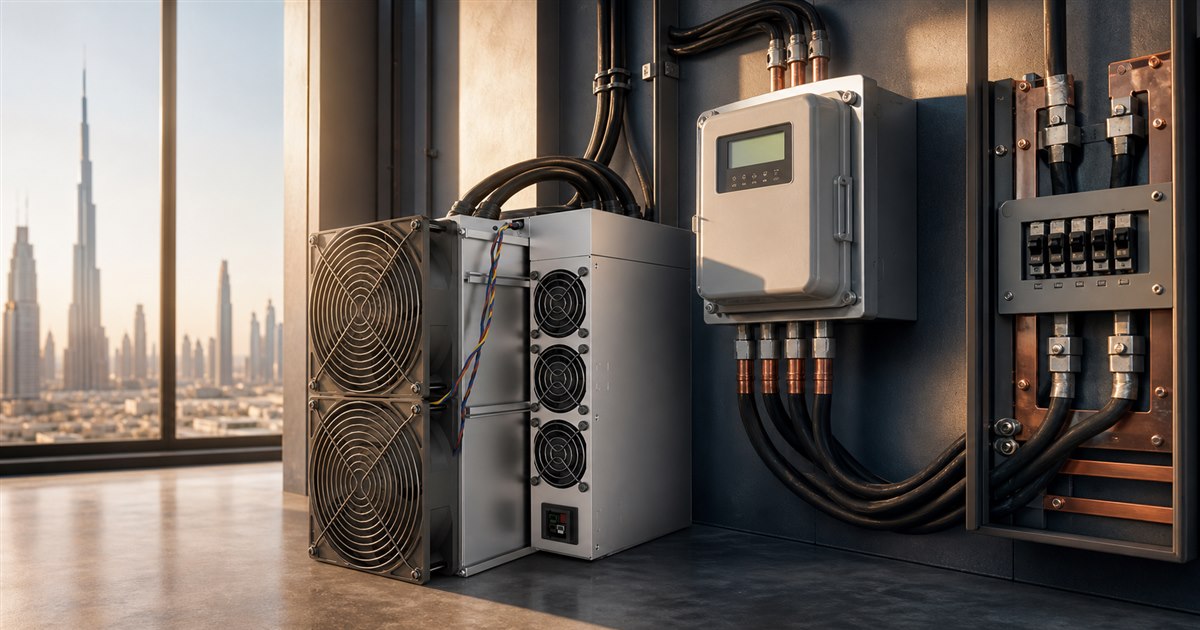
At $0.10/kWh or higher, running a modern ASIC purely for Bitcoin profit is a losing proposition in most cases — the network difficulty is simply too high for average residential rates to clear. Below that, the picture changes fast:
If you don't know your real all-in rate — including any demand charges — check your last utility bill before buying anything. This number alone determines almost everything else in this guide.
Hardware That Actually Makes Sense at Home
Not every miner belongs in a house. Three categories work well:
Bitcoin Heaters
Dual-purpose devices that mine while heating a room. The Avalon MINI 3 (37.5 TH/s, 1,000W, $450) is the standout in this category — during winter, the "cost" of running it is partly offset by heat you'd otherwise be paying for anyway.
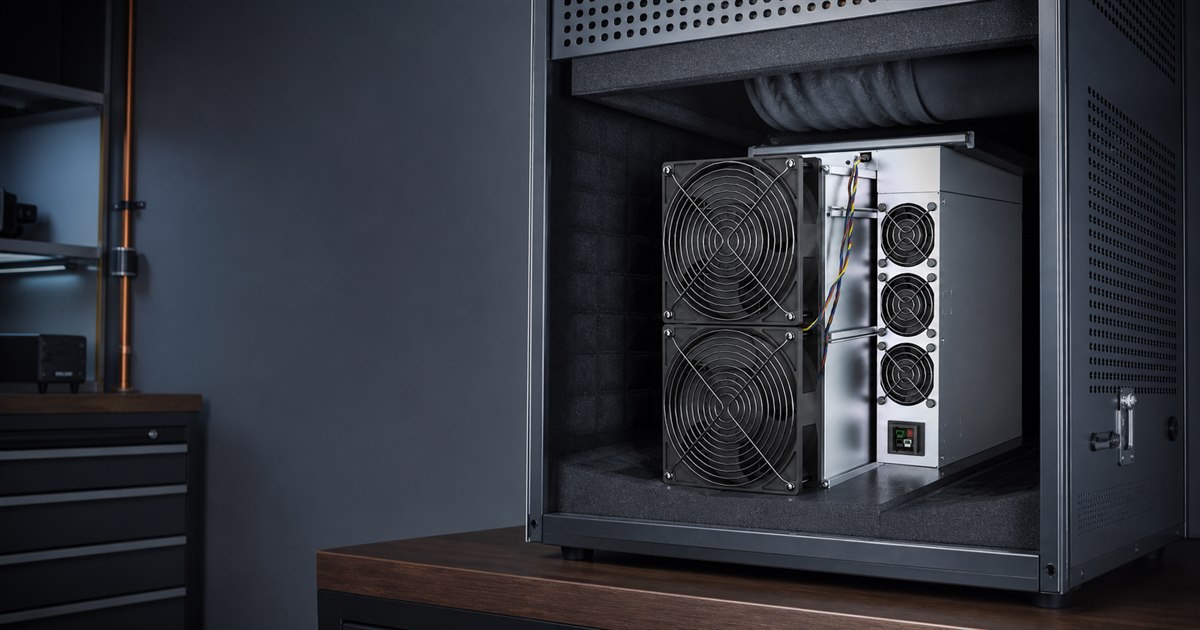
Quiet Home Miners
Smaller units built for residential noise levels. The Goldshell CK-Box (1.05 TH/s, 215W, $199) is a low-power, low-noise entry point for altcoin mining without needing a dedicated space.
Micro/Lottery Miners
Tiny, nearly silent units like the IceRiver KS0 (100 GH/s, 65W, $36) — not meaningful solo revenue on their own, but a genuinely low-risk way to learn mining operations before committing real capital.
For anyone chasing the single best solo miner setup for a home budget, the honest recommendation depends on your goal: heat offset (Avalon MINI 3), quiet altcoin income (Goldshell CK-Box), or pure learning (IceRiver KS0).
Turning "Waste" Heat Into Value
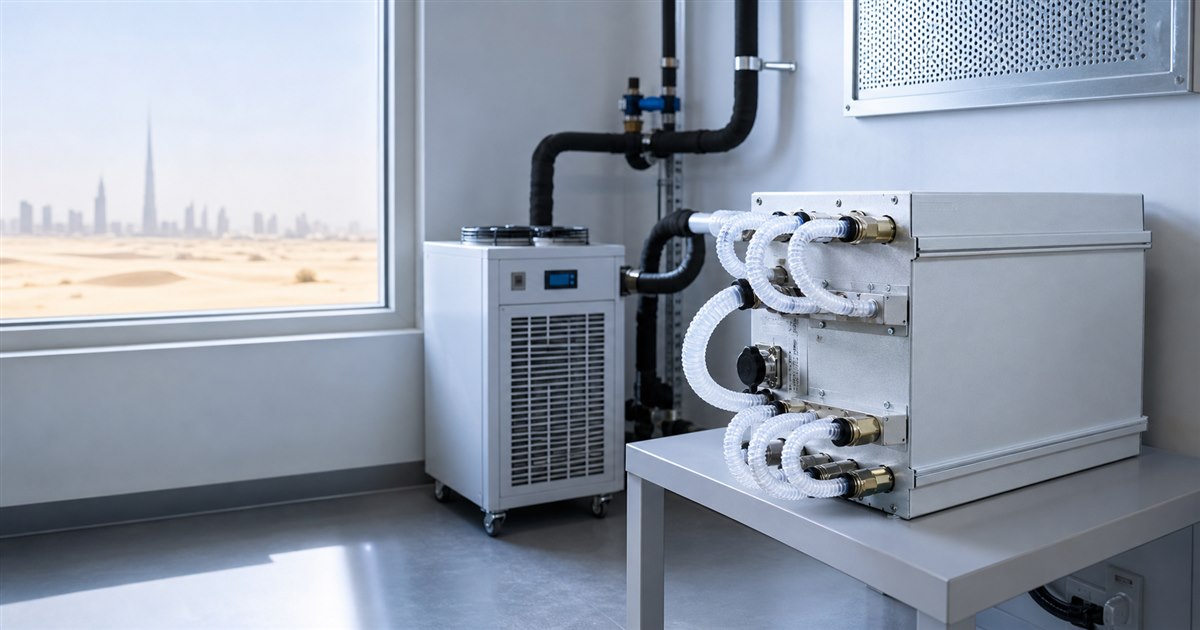
Every watt an ASIC miner consumes becomes heat. In winter, that heat has real value:
This is the single biggest lever home miners have that industrial farms don't: in a cold climate, a Bitcoin heater's electricity cost is partially a heating bill you were paying anyway, not a pure mining expense.
Realistic Expectations
Home mining in 2026 will not replace a salary. What it realistically delivers:
Frequently Asked Questions
What electricity rate do I need for home mining to be profitable?
Below roughly $0.06/kWh gives most current-generation hardware a real shot at profitability; above $0.10/kWh, only heat-offset devices like Bitcoin heaters typically make economic sense.
Is a Bitcoin heater actually cheaper than a regular space heater?
Often yes in net terms — you're paying for the same electricity a standard heater would use, but recovering part of that cost as mined Bitcoin, effectively discounting your heating bill.
Can I realistically make a living from home mining in 2026?
No — home mining at residential scale is a supplementary income stream at best, not a replacement for employment income, regardless of hardware choice.
What's the single best entry point for a beginner?
The Avalon MINI 3 is the best starting point for most people — it's genuinely useful as a heater even if crypto profitability fluctuates, which de-risks the purchase.
Do I need a mining pool for home mining?
Almost always yes — solo mining Bitcoin at home-scale hashrate has an astronomically low chance of finding a block; joining a pool converts that lottery into small, steady, predictable payouts.