What a Bitcoin Heater Actually Is
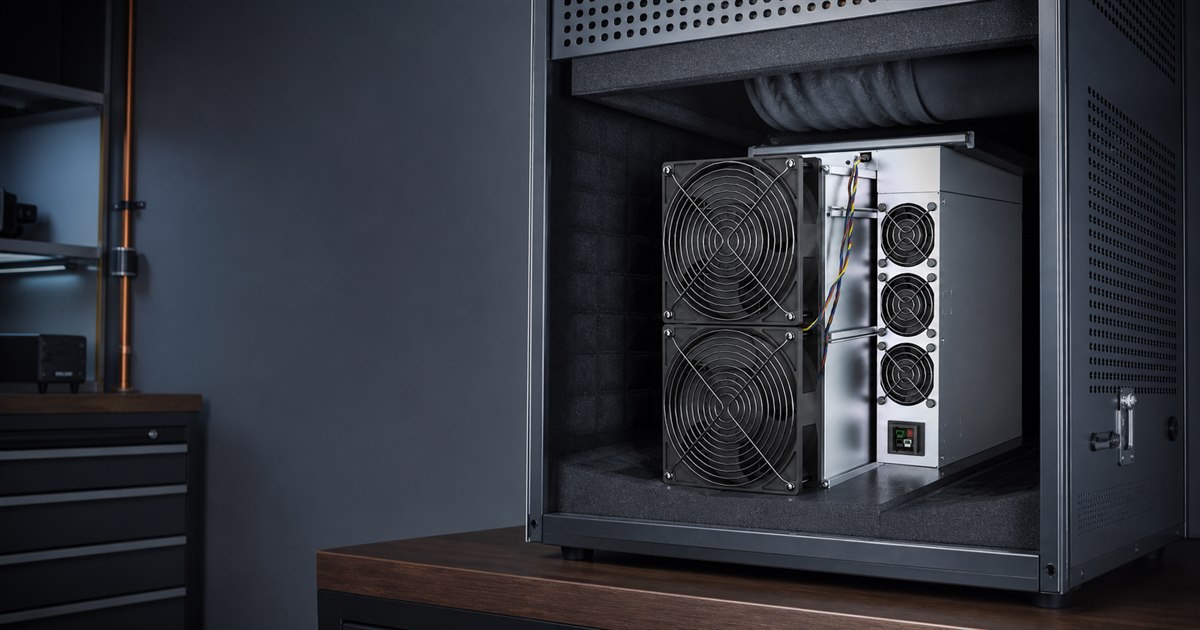
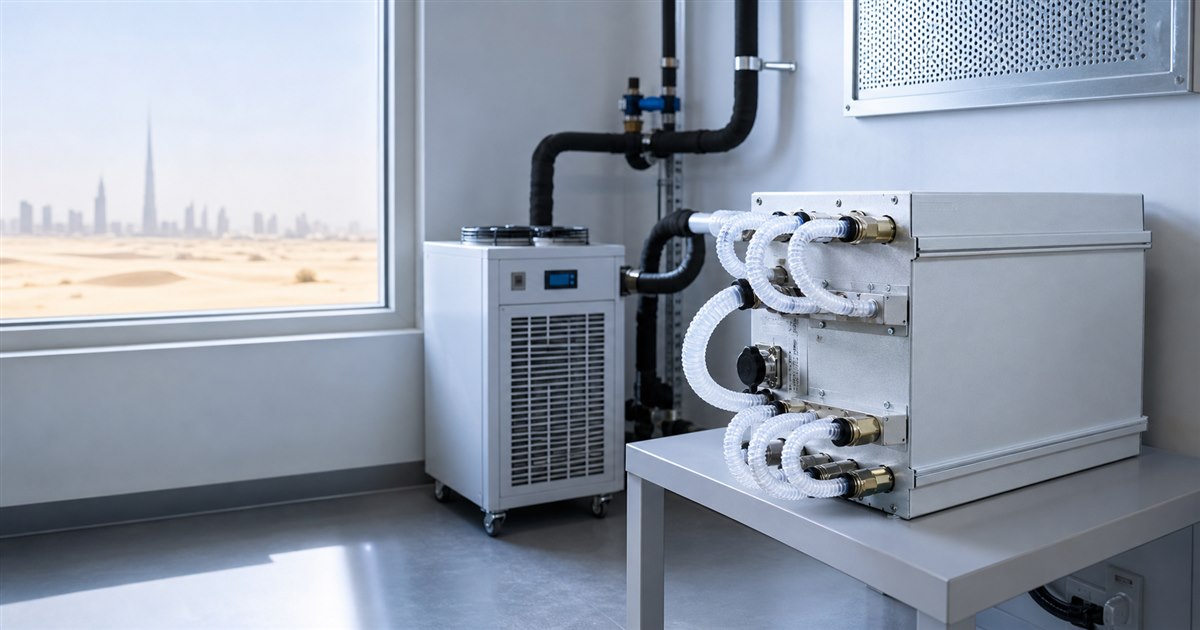
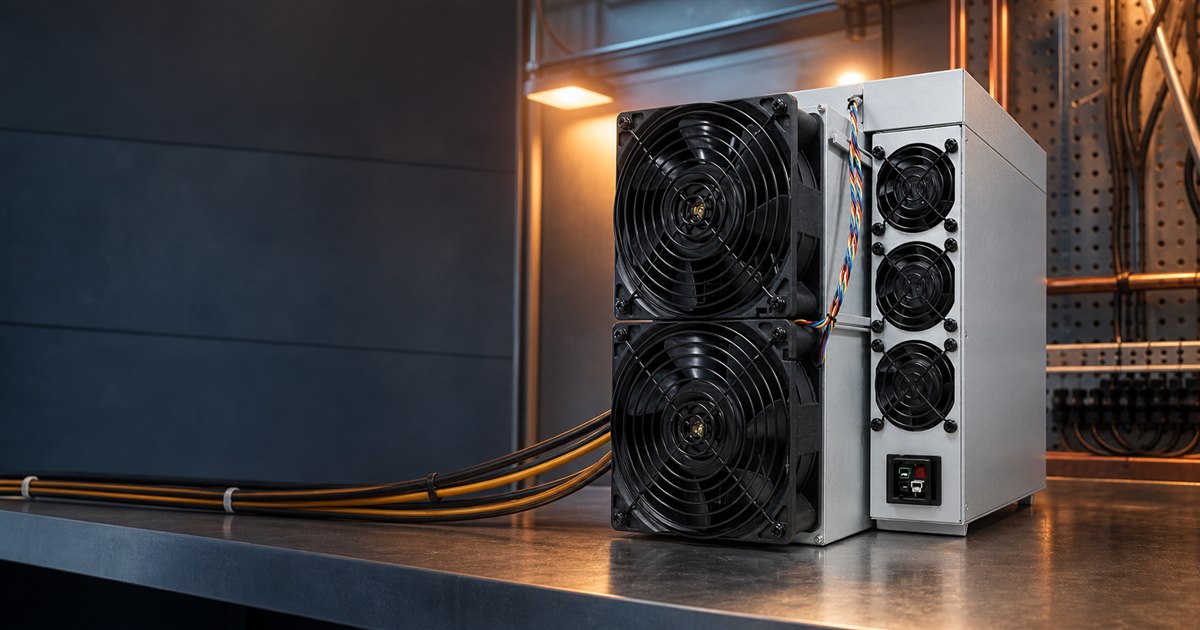
A Bitcoin heater is an ASIC miner engineered for residential use: quieter fans, a form factor built for room placement, and firmware tuned to disperse heat evenly rather than exhaust it in one hot stream. Every watt it draws produces both hashrate and heat — you're not paying twice, you're getting two outputs from one electricity bill.
Two Real Options on the Market
| Heater | Hashrate | Power | Noise | Price |
|---|---|---|---|---|
| Avalon MINI 3 | 37.5 TH/s | 1,000W | ~35 dB | $450 |
| Heatbit | 1 TH/s | 1,200W | ~40 dB | $360 |
The Avalon MINI 3 from Canaan is the stronger pure-mining option — real hashrate, competitive efficiency, at a price that undercuts most "heater" novelty products. The Heatbit trades hashrate for a lower entry price and a design built specifically around even heat dispersal in a living space.
Setting It Up
Step 1: Placement
Pick a room that actually needs heating in winter — bedroom, home office, living room. Keep 12 inches of clearance for airflow, and place it somewhere close to an Ethernet drop if possible (Wi-Fi adapters exist but a wired connection is more stable for 24/7 operation).
Step 2: Power
Both units run on a standard 110V/220V outlet — no special electrical work needed. A dedicated circuit is recommended if you're running it continuously, and a smart plug is a cheap way to add remote power-cycling and usage monitoring.
Step 3: Network and Pool
Connect via Ethernet, find the device's IP in your router's admin panel, and access its web dashboard. From there, point it at a mining pool — Braiins Pool, F2Pool, and Foundry USA are all solid, well-documented options for a first setup.
The Real Economics
Take a 1,000W device running as your primary room heater through a cold month:
Net result: you're heating the room at something like a 40-70% discount versus a plain resistive heater, with the discount size depending on Bitcoin's price and network difficulty at the time. You're not "making money" in the sense of pure profit — you're paying less for heat you needed anyway.
Where This Makes the Most Sense
Where it makes less sense: hot climates, or rooms that don't need heating most of the year — in summer, you're just paying full price for hashrate with no offset.
Frequently Asked Questions
Is a Bitcoin heater actually cheaper than a normal space heater?
In net terms, usually yes during winter — you pay the same electricity cost as a standard heater but recover part of it as mined Bitcoin, which is why this is one of the more genuinely useful cheap crypto miner rig categories rather than a novelty.
Which is the better buy, Avalon MINI 3 or Heatbit?
The Avalon MINI 3 offers substantially more real hashrate per dollar; the Heatbit is a lower upfront cost with a heat-dispersal-first design — most buyers optimizing for mining return should lean Avalon MINI 3.
Do I need technical mining experience to run one?
No — setup is closer to configuring a smart home device than running a mining farm; picking a pool and entering the connection details is the most technical step.
Does it work well in summer?
Less so — you're still paying for the electricity in full without a heating benefit, so most owners either run it less in summer or accept lower net returns during warm months.