What's Actually Changing
The Bitcoin halving occurs roughly every four years, cutting the block reward by 50%. The 2028 halving will drop rewards from 3.125 BTC to 1.5625 BTC per block — mining revenue is cut in half overnight, independent of what BTC's price happens to be doing at the time.
What Past Halvings Actually Did
2020: Reward cut 12.5 → 6.25 BTC. Network hashrate dipped roughly 10% temporarily as inefficient miners went offline, then BTC price rose sharply over the following year, restoring — and exceeding — prior profitability for efficient operators.
2024: Reward cut 6.25 → 3.125 BTC. Hashrate stayed comparatively stable this time; price appreciation offset the reward cut faster, and efficiency had already become the dominant survival factor rather than an optional edge.
The pattern across both: efficient hardware survives the immediate shock; inefficient hardware gets forced offline, and price recovery timing is never guaranteed to arrive fast enough to save marginal operations.
The Efficiency Threshold for 2028
| Electricity Cost | Required Efficiency | Outlook |
|---|---|---|
| $0.03/kWh | Under 20 J/TH | Comfortable |
| $0.05/kWh | Under 16 J/TH | Workable |
| $0.08/kWh | Under 13 J/TH | Tight |
| $0.10/kWh | Under 11 J/TH | Marginal at best |
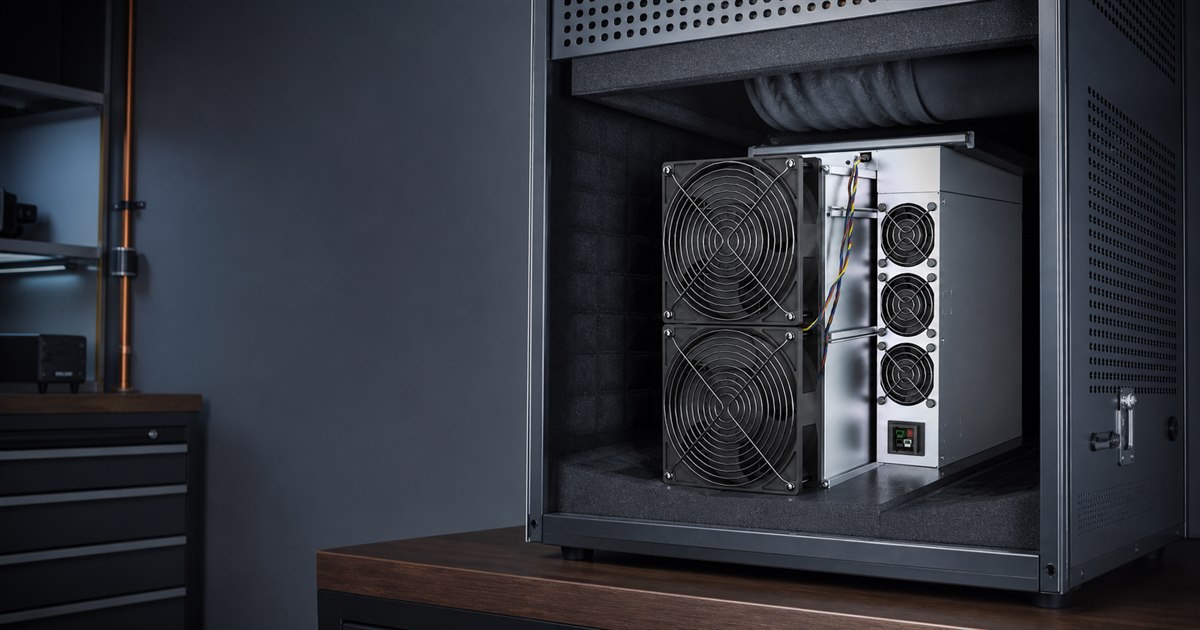
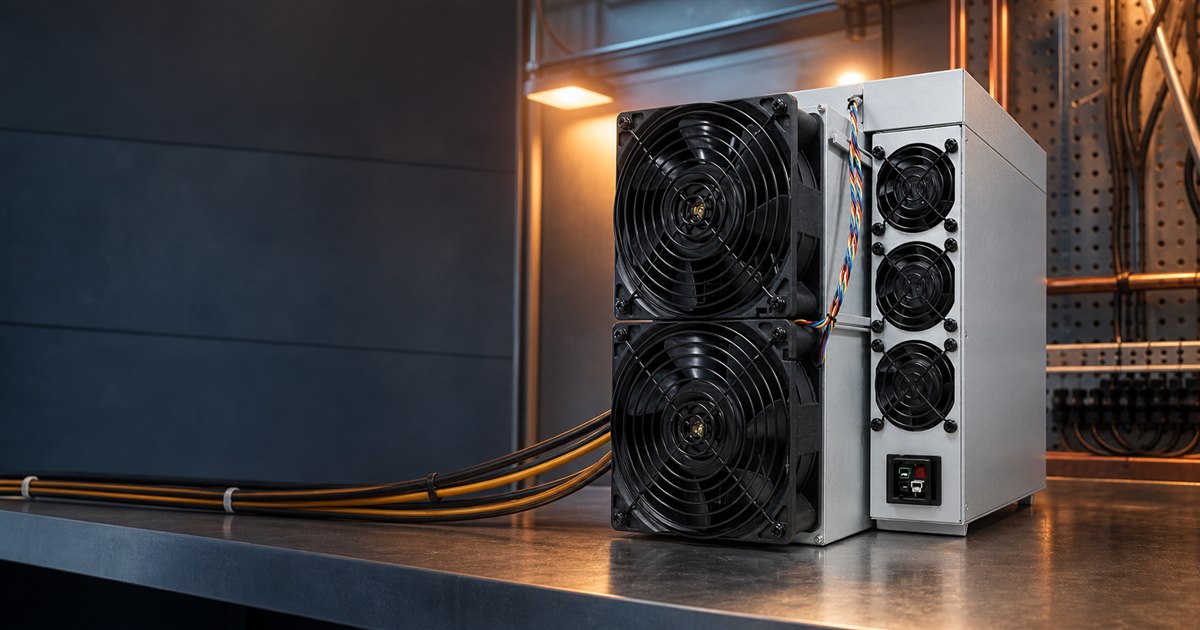
Hardware like the Antminer S21 XP Hyd at 12.0 J/TH sits comfortably inside even the tighter end of this range; older sub-20 J/TH-class hardware needs genuinely cheap power to clear the post-halving bar at all.
How to Actually Prepare
1. Upgrade Hardware Before, Not After
Efficient units in the sub-15 J/TH range give real margin against the 2028 cut. Waiting until after the halving to upgrade means running at a loss during the transition — plan hardware refreshes 12-18 months ahead, not reactively.
2. Lock In or Improve Electricity Costs
Every fraction of a cent per kWh matters more post-halving than pre-halving. Renegotiate rates where possible, or evaluate solar/renewable supplementation now rather than under post-halving financial pressure.
3. Build a Cash Reserve
Save a meaningful share of current profits specifically to cover 3-6 months of reduced margin through the transition — miners who enter the halving with reserves have far more room to wait out short-term unprofitability than those who don't.
4. Diversify Revenue Where Possible
Heat recovery, demand-response programs, altcoin mining flexibility, and hosting services all reduce total dependence on pure block-reward economics.
The Bottom Line
The 2028 halving isn't a surprise — it's on a known schedule, and the efficiency math is knowable well in advance. Miners running genuinely efficient hardware and reasonable electricity costs will very likely remain profitable; those running older, less efficient hardware need either much cheaper power or a real upgrade plan before it hits, not after.
Frequently Asked Questions
Will Bitcoin price rise enough to offset the 2028 halving automatically?
No guarantee — 2020 and 2024 both saw meaningful price appreciation eventually offset the reward cut, but the timing wasn't instant, and planning around efficiency rather than hoping for a price rally is the more reliable strategy.
What's the single most important number to know before 2028?
Your own miner's J/TH efficiency figure against your actual electricity cost — cross-reference it against the threshold table above to know where you stand today.
Should I upgrade hardware now or wait closer to 2028?
Earlier is generally better — waiting until immediately before the halving means competing with every other miner trying to upgrade at once, and running inefficient hardware unnecessarily long in the meantime.
Does the halving affect altcoin miners the same way?
Not directly — the 2028 event is specific to Bitcoin's own reward schedule; Litecoin, Kaspa, and other coins run on their own separate halving or emission schedules.